
Extended Producer Responsibility
We take care of EVERYTHING for you!
What is EPR Plastic ?
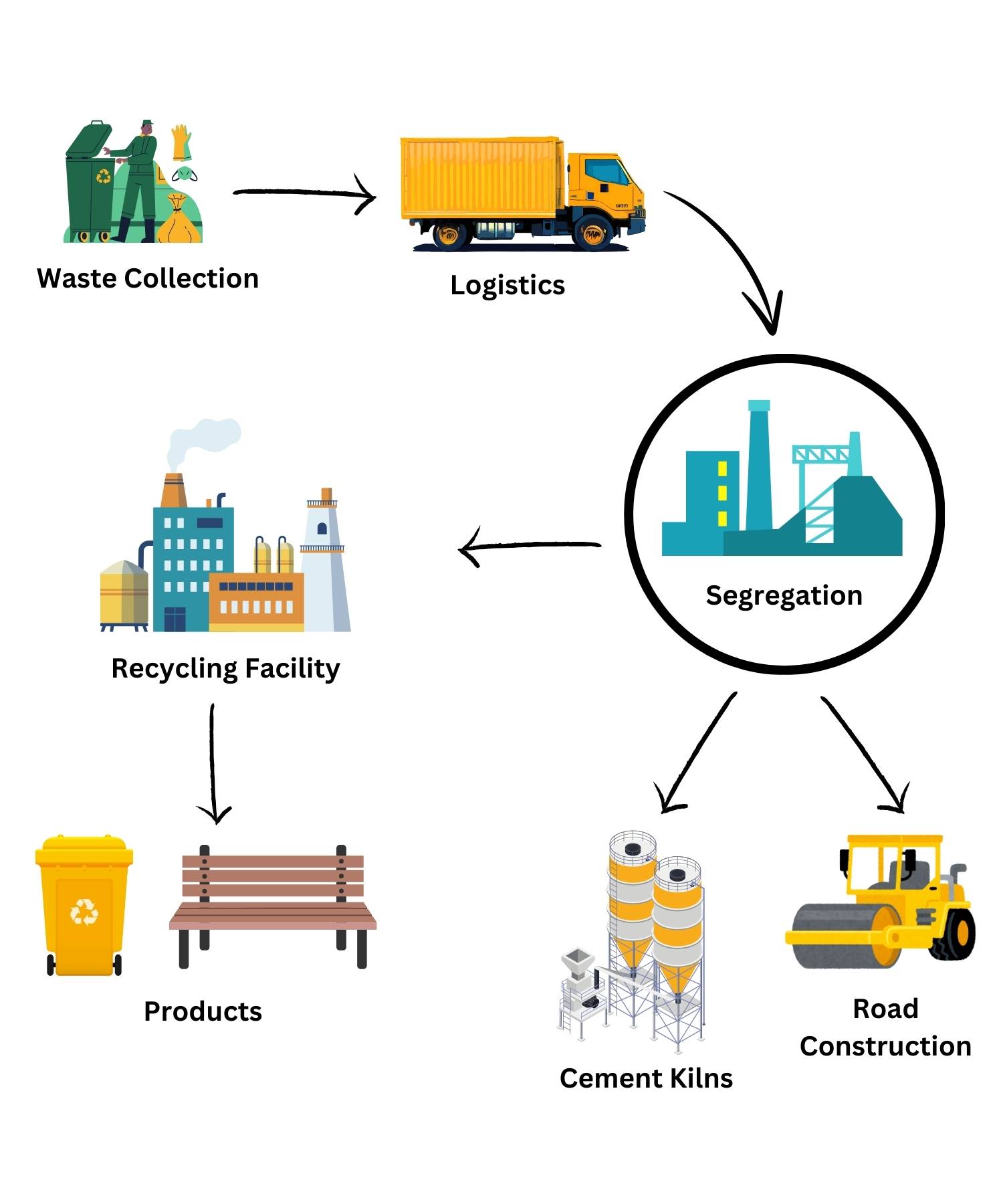
Extended Producer Responsibility (EPR) is an environmental policy that holds Producers, Importers, and Brand Owners accountable for the plastic they introduce into the environment or any pollution resulting from it.
EPR Registration is a compulsory requirement for producers of specific products, including plastic packaging, as mandated by the Central Pollution Control Board (CPCB) in India. This registration ensures that producers adhere to the regulations by setting up systems for the collection, transportation, and disposal of products at the end of their life cycle.
EPR Compliance requires producers to achieve designated targets for waste collection, recycling, and disposal. Producers are also required to submit annual reports on their EPR activities. Non-compliance with the CPCB EPR guidelines can lead to penalties and legal action.
EPR Target Fulfillment requires Producers, Importers, and Brand Owners (PIBOs) to obtain EPR Plastic credits from registered Recyclers and Co-Processors (PWPs). The CPCB’s EPR guidelines define the roles and responsibilities of all stakeholders, including PIBOs, PWPs, and local authorities. By achieving EPR targets, PIBOs can demonstrate their commitment to environmental sustainability, enhance their environmental performance, and reduce their liability for any environmental harm caused by their products.
EPR Compliance requires producers to achieve designated targets for waste collection, recycling, and disposal. Producers are also required to submit annual reports on their EPR activities. Non-compliance with the CPCB EPR guidelines can lead to penalties and legal action.
EPR Target Fulfillment requires Producers, Importers, and Brand Owners (PIBOs) to obtain EPR Plastic credits from registered Recyclers and Co-Processors (PWPs). The CPCB’s EPR guidelines define the roles and responsibilities of all stakeholders, including PIBOs, PWPs, and local authorities. By achieving EPR targets, PIBOs can demonstrate their commitment to environmental sustainability, enhance their environmental performance, and reduce their liability for any environmental harm caused by their products.
Advantages of EPR Registration
Decreased Plastic Waste
EPR registration can enhance environmental performance and reduce plastic waste.
Edge Over Competitors
EPR-registered companies can gain a competitive edge by attracting environmentally conscious consumers.
EPR Registration Process
EPR Registration
EPR Registration through the Central Pollution Control Board's Centralized Portal

EPR Compliance
Completion of EPR Compliance, including Monthly, Quarterly, and Annual Requirements
EPR Target Fulfillment
To meet EPR Targets, Producers, Importers, and Brand Owners (PIBOs) must acquire EPR Plastic Credits from EPR-registered Recyclers and Co-Processors (PWPs)
Annual Return Report
Submission of the Annual Return Report and Monthly Report E
GET IN TOUCH
General FAQs
Extended Producer Responsibility (EPR) for plastics is a policy approach that makes producers accountable for the entire life cycle of their plastic products, including disposal and recycling after consumer use.
EPR for plastics is crucial because it transfers the responsibility of managing plastic waste from taxpayers and municipalities to the producers. This approach encourages producers to reduce waste generation, improve recycling rates, and invest in more sustainable product designs and recycling infrastructure.
Under EPR for plastics, producers are required to assume financial and/or operational responsibility for the collection, recycling, or safe disposal of the plastic products they bring to market. This typically involves establishing collection systems, funding recycling programs, or ensuring proper disposal of plastic waste.
Under EPR for plastics, the primary responsibility falls on producers of plastic products or packaging. This includes manufacturers, importers, brand owners, and retailers who bring plastic products to market.