
Extended Producer Responsibility
We take care of EVERYTHING for you!
What is EPR for Battery?
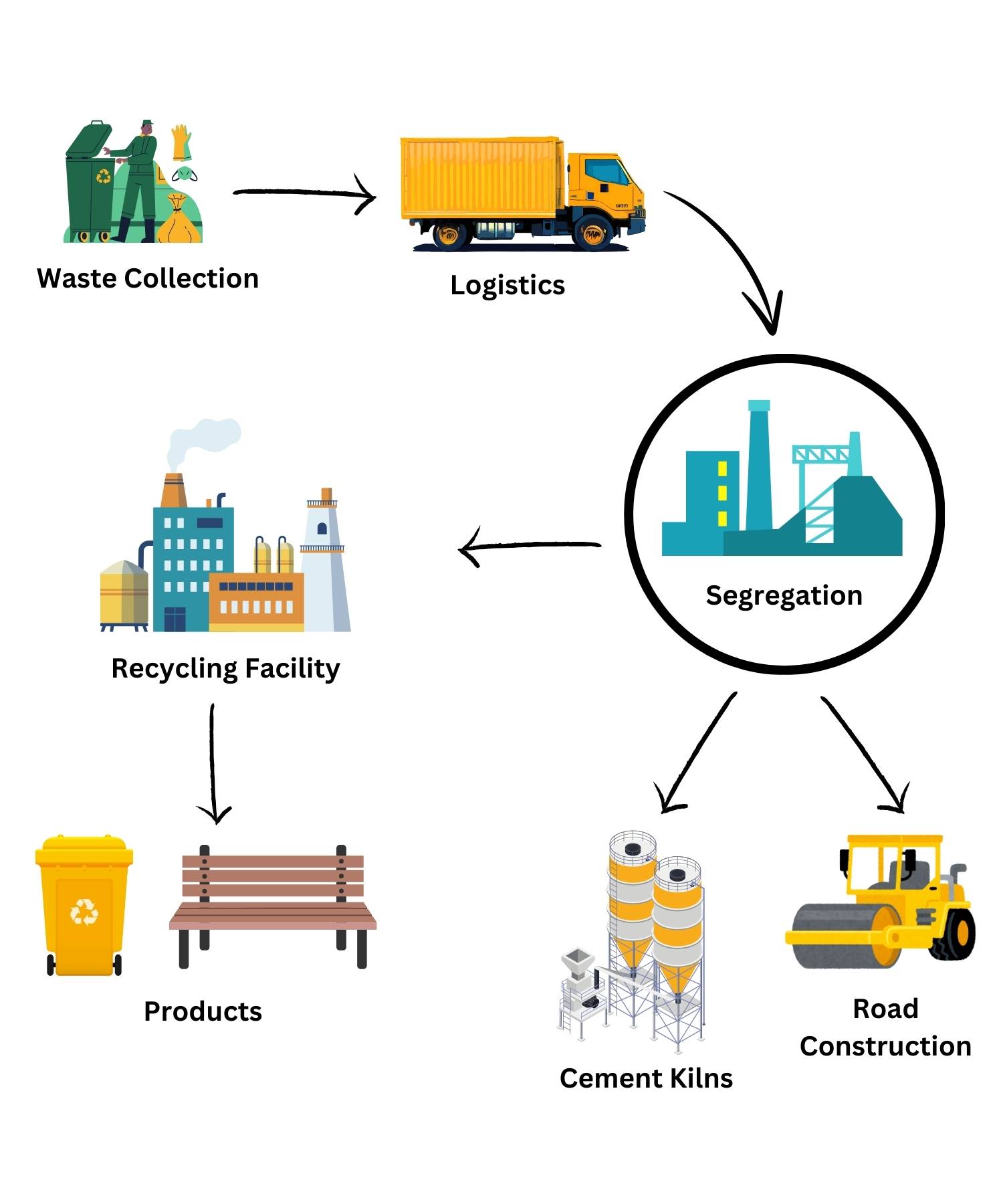
Extended Producer Responsibility (EPR) for batteries requires producers, importers, and manufacturers to manage waste batteries in an environmentally safe manner to prevent any harmful effects on human health or the environment from the substances contained in the batteries.
The Ministry of Environment, Forests, and Climate Change in India has introduced the “Battery Waste Management Rules, 2022” to encourage the safe and eco-friendly processing of waste batteries. These new rules replace the “Batteries (Management and Handling) Rules, 2001” and apply to producers, manufacturers, and importers involved in the collection, segregation, transportation, reprocessing, and recycling of waste batteries.
Advantages of EPR Registration
Decreased Plastic Waste
EPR registration can enhance environmental performance and reduce plastic waste.
Edge Over Competitors
EPR-registered companies can gain a competitive edge by attracting environmentally conscious consumers.
EPR Registration Process
EPR Registration
EPR Registration through the Central Pollution Control Board's Centralized Portal

EPR Compliance
Completion of EPR Compliance, including Monthly, Quarterly, and Annual Requirements
EPR Target Fulfillment
To meet EPR Targets, Producers, Importers, and Brand Owners (PIBOs) must acquire EPR Plastic Credits from EPR-registered Recyclers and Co-Processors (PWPs)
Annual Return Report
Submission of the Annual Return Report and Monthly Report E
GET IN TOUCH
General FAQs
Battery Extended Producer Responsibility (EPR) is a policy approach that requires battery producers to manage the collection, recycling, and disposal of batteries once they reach the end of their life cycle.
Battery EPR generally places the responsibility for managing the end-of-life disposal or recycling of batteries on manufacturers, importers, and sometimes retailers. These entities must assume both financial and operational responsibility for proper battery waste management.
Under Battery EPR, battery producers are required to finance and/or manage the collection and recycling of batteries, ensuring proper disposal or recycling at the end of their useful life. This includes establishing collection points and recycling facilities.
Battery EPR generally covers all types of batteries, including rechargeable batteries (such as lithium-ion and nickel-metal hydride) and single-use batteries (such as alkaline and zinc-carbon).
Yes, collaboration among battery producers, government agencies, recyclers, retailers, and consumers is crucial for the successful implementation of Battery EPR. Effective coordination helps ensure efficient collection, recycling, and proper disposal of batteries, while minimizing environmental and health impacts.