
Extended Producer Responsibility
We take care of EVERYTHING for you!
What is EPR E-Waste ?
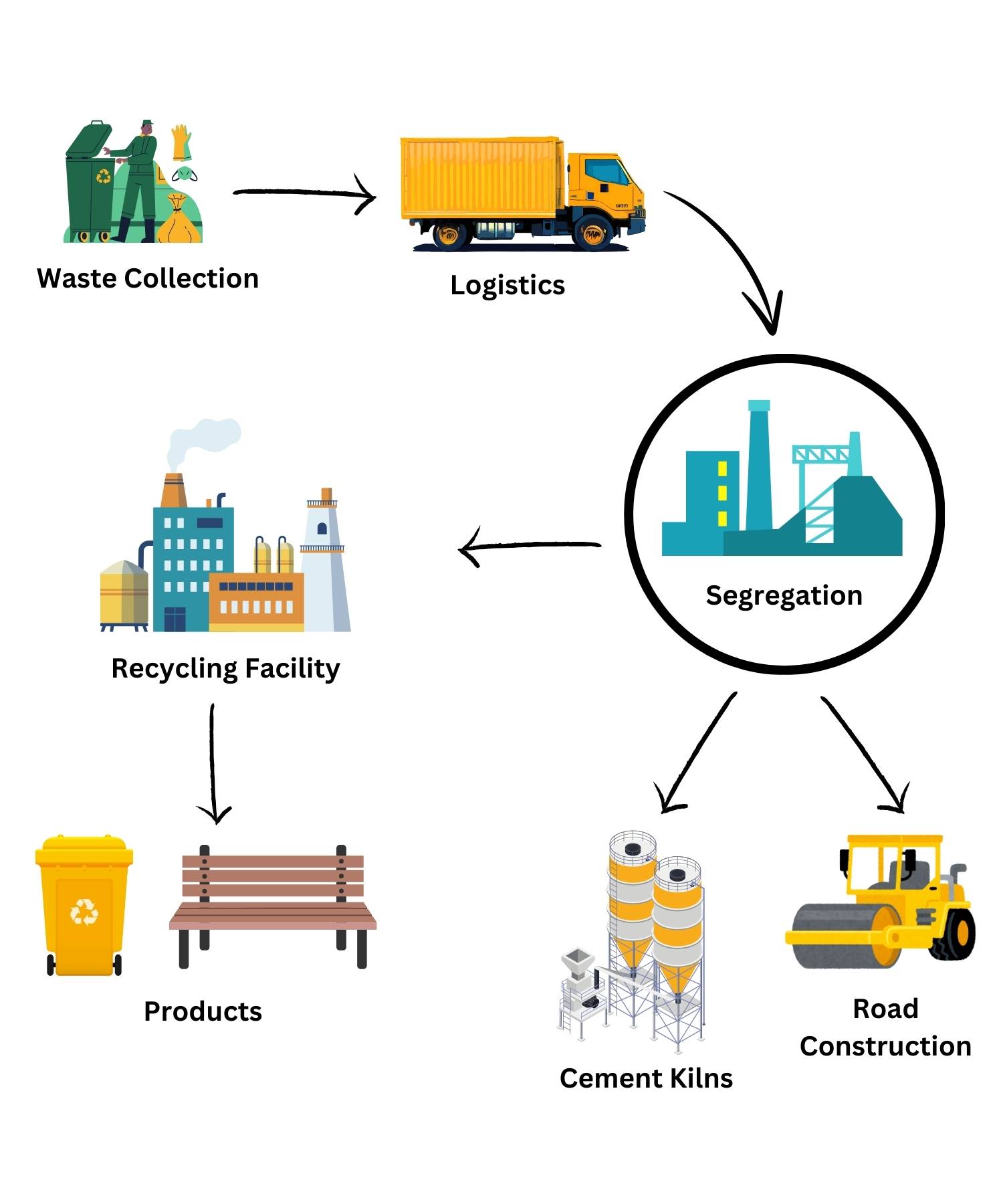
Extended Producer Responsibility (EPR) for e-waste places the onus on every producer of electrical and electronic equipment (EEE) to direct e-waste to authorized dismantlers or recyclers, ensuring its environmentally sound management.
EPR authorization is compulsory for all producers, including importers, e-retailers, online sellers, and others involved in EEE covered under E-Waste regulations. Producers can fulfill their EPR obligations by implementing a take-back system, establishing collection centers, or a combination of both, to direct e-waste and end-of-life products to authorized dismantlers or recyclers.
Producers must establish agreements with authorized dismantlers or recyclers, individually, collectively, or through a Producer Responsibility Organization (PRO) or E-Waste Exchange system, as outlined in their EPR Plan approved by the Central Pollution Control Board (CPCB).
These rules apply to all producers, consumers, bulk consumers, collection centers, dismantlers, and recyclers involved in the manufacture, sale, purchase, and processing of electrical and electronic equipment or components listed in Schedule 1 of these Rules.
Producers must establish agreements with authorized dismantlers or recyclers, individually, collectively, or through a Producer Responsibility Organization (PRO) or E-Waste Exchange system, as outlined in their EPR Plan approved by the Central Pollution Control Board (CPCB).
These rules apply to all producers, consumers, bulk consumers, collection centers, dismantlers, and recyclers involved in the manufacture, sale, purchase, and processing of electrical and electronic equipment or components listed in Schedule 1 of these Rules.
Advantages of EPR Registration
Decreased Plastic Waste
EPR registration can enhance environmental performance and reduce plastic waste.
Edge Over Competitors
EPR-registered companies can gain a competitive edge by attracting environmentally conscious consumers.
EPR Registration Process
EPR Registration
EPR Registration through the Central Pollution Control Board's Centralized Portal

EPR Compliance
Completion of EPR Compliance, including Monthly, Quarterly, and Annual Requirements
EPR Target Fulfillment
To meet EPR Targets, Producers, Importers, and Brand Owners (PIBOs) must acquire EPR Plastic Credits from EPR-registered Recyclers and Co-Processors (PWPs)
Annual Return Report
Submission of the Annual Return Report and Monthly Report E
GET IN TOUCH
General FAQs
E-Waste Extended Producer Responsibility (EPR) is a policy framework that assigns responsibility to manufacturers, importers, and sometimes retailers of electronic products for managing the entire life cycle of their products, from collection to recycling and safe disposal of electronic waste.
E-Waste Extended Producer Responsibility (EPR) is important because it ensures that manufacturers and importers take responsibility for the environmental impact of their products, particularly at the end of their life cycle. By promoting proper collection, recycling, and disposal of electronic waste, EPR helps to reduce pollution, conserve natural resources, and minimize the harmful effects of hazardous materials on both the environment and human health. Additionally, it encourages the design of more sustainable and recyclable products, ultimately leading to a more circular economy.
Under E-Waste EPR, manufacturers and importers are required to fund and/or oversee the collection and recycling of electronic products once they reach the end of their useful life. This usually involves establishing collection centers, recycling facilities, and ensuring the safe disposal of hazardous materials present in electronics.
Under E-Waste EPR, manufacturers, importers, and sometimes retailers of electronic products are primarily responsible. These entities must take financial and operational responsibility for managing the electronic waste generated by their products.